



Grant overview
The Maloti Drakensberg Transfrontier Area in Lesotho, a region renowned for its biodiversity and stunning landscapes, faced serious challenges when the Covid-19 pandemic hit. Eco-tourism, a major source of income for local communities, came to a standstill.
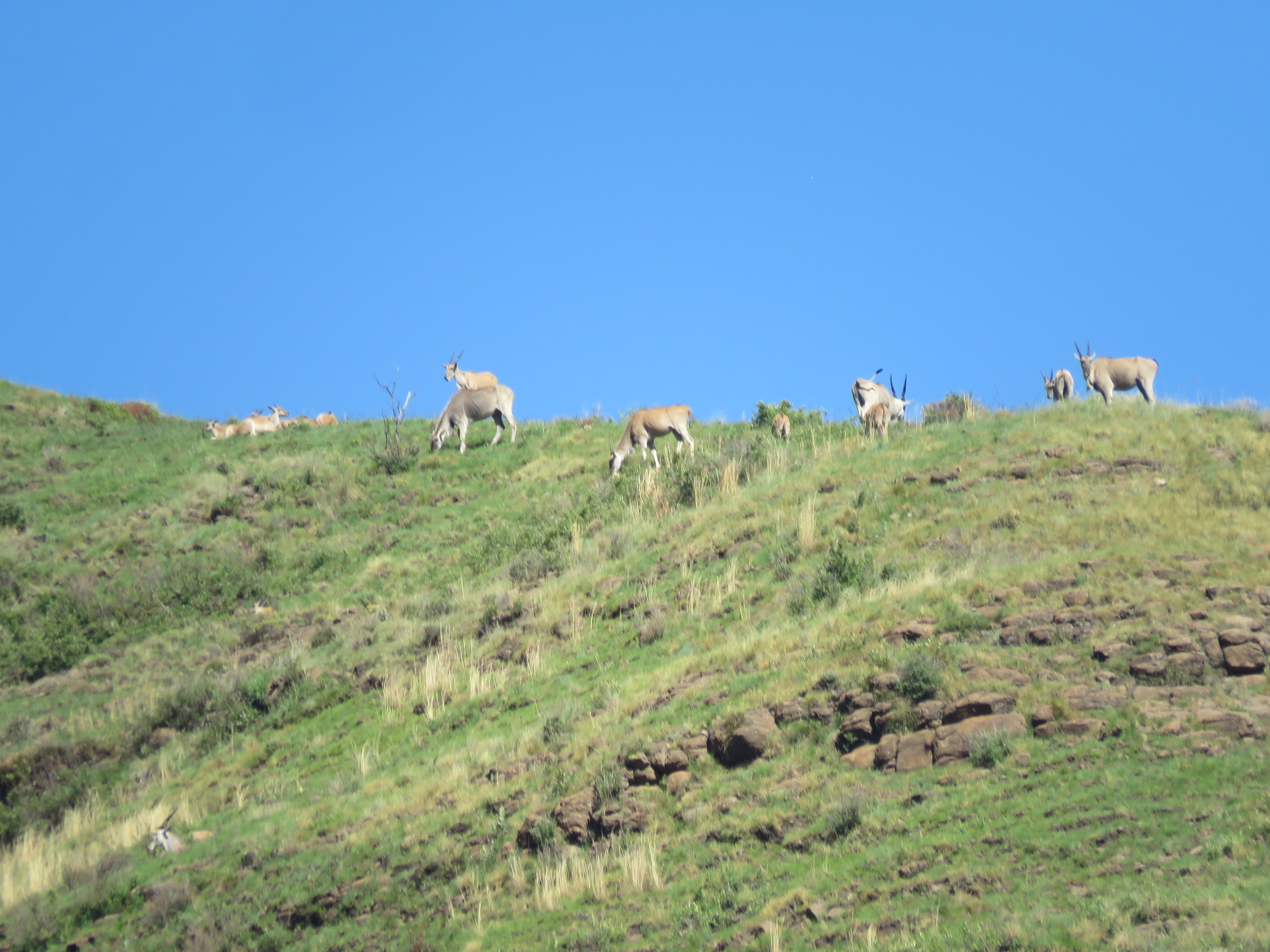
With jobs lost and income sources depleted, pressures on natural resources increased. Poaching, illegal grazing, and wildlife conflicts escalated, threatening both conservation efforts and community stability. In response to these challenges, the Biodiversity Conservation to Improve Community Livelihoods project was launched. This initiative aimed to restore the region’s rich biodiversity while providing alternative livelihoods for communities, reducing their dependence on unsustainable resource use. At the heart of the project was a group of Community Environmental Monitors (CEMs), trained and deployed to protect the environment. These monitors patrolled Protected Areas, recorded wildlife, and reported illegal activities, such as poaching and grazing. They didn’t stop there - CEMs worked closely with herders and local residents, promoting sustainable land-use practices to reduce human-wildlife conflicts. Through this, communities became more involved in conservation efforts, strengthening both biodiversity protection and local ownership of these initiatives.
The pandemic had disrupted vital conservation management, but the project set out to reinstate these activities. Fire control operations were resumed, including the construction of firebreaks to protect landscapes from wildfires. Teams also manually removed
invasive alien species without chemicals, providing temporary jobs for community members. In Bokong Nature Reserve and Sehlabathebe National Park, wetland rehabilitation efforts targeted critical habitats for endangered species. To breathe new life into eco-tourism, the project also focused on enhancing visitor experiences. Existing hiking trails within the Transfrontier Conservation Area were mapped and assessed for future upgrades, including signage and development. A new campsite was identified, with plans for community members to manage it, offering a sustainable income stream once tourism bounces back.
Despite facing obstacles like staffing shortages and procurement delays, the project succeeded in addressing the immediate threats to both biodiversity and livelihoods. By involving local communities in conservation activities and promoting sustainable resource management, the project has set the stage for long-term environmental and economic recovery in the Maloti Drakensberg Transfrontier Area. With renewed hope, this region is gearing up for a future where both nature and people can
flourish together.
Project Outputs:
- 65 rangers and Environmental Monitors trained on Human Rights and Law Enforcement
- 25 Community Environmental Monitors were employed for nine (9) months (≥ 75% youth; 19 men and 6 women). These monitors patrolled Protected Areas, recorded wildlife, and reported illegal activities such as poaching and grazing, and engaged local communities on Human-Wildlife Conflict issues.
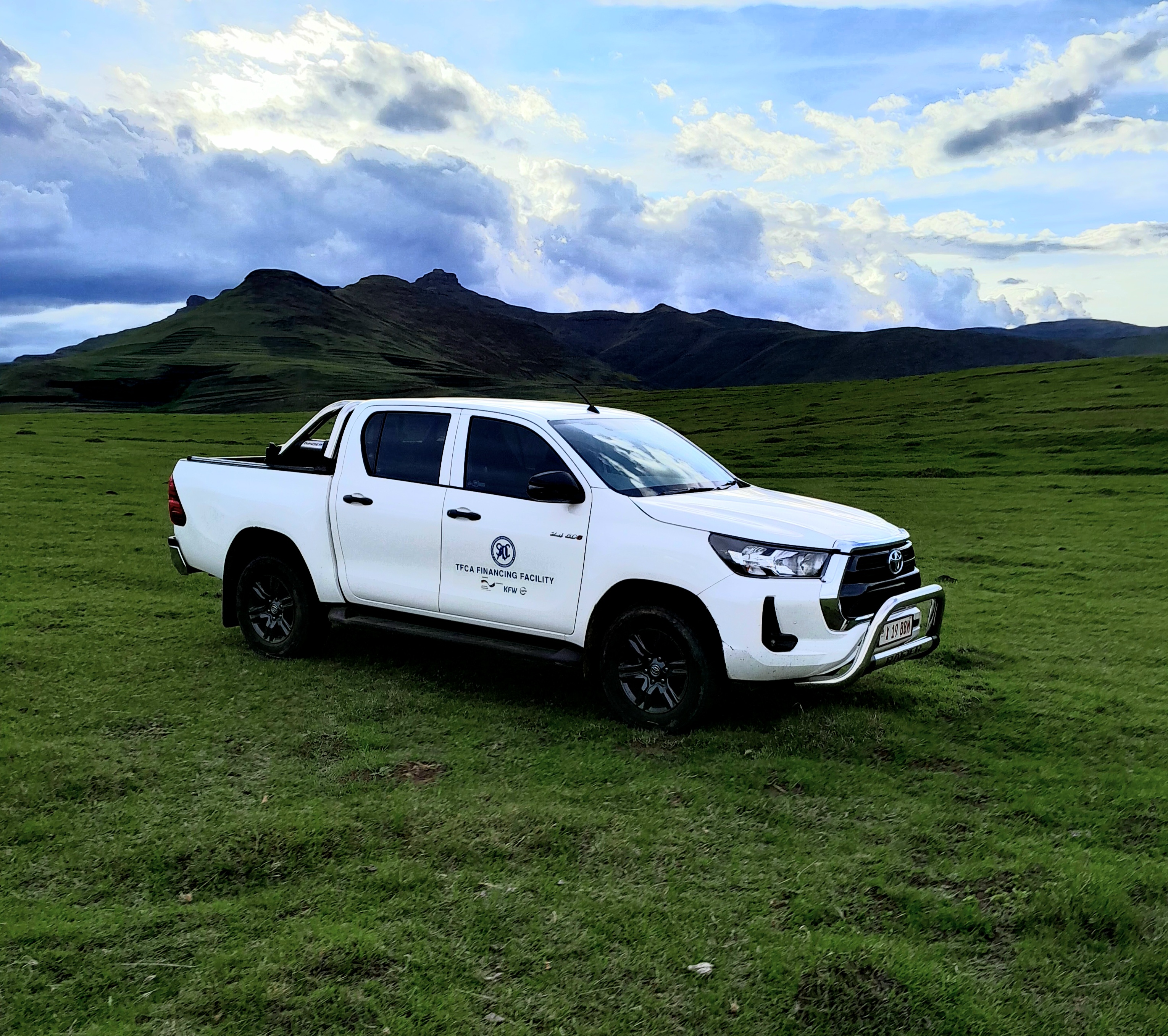
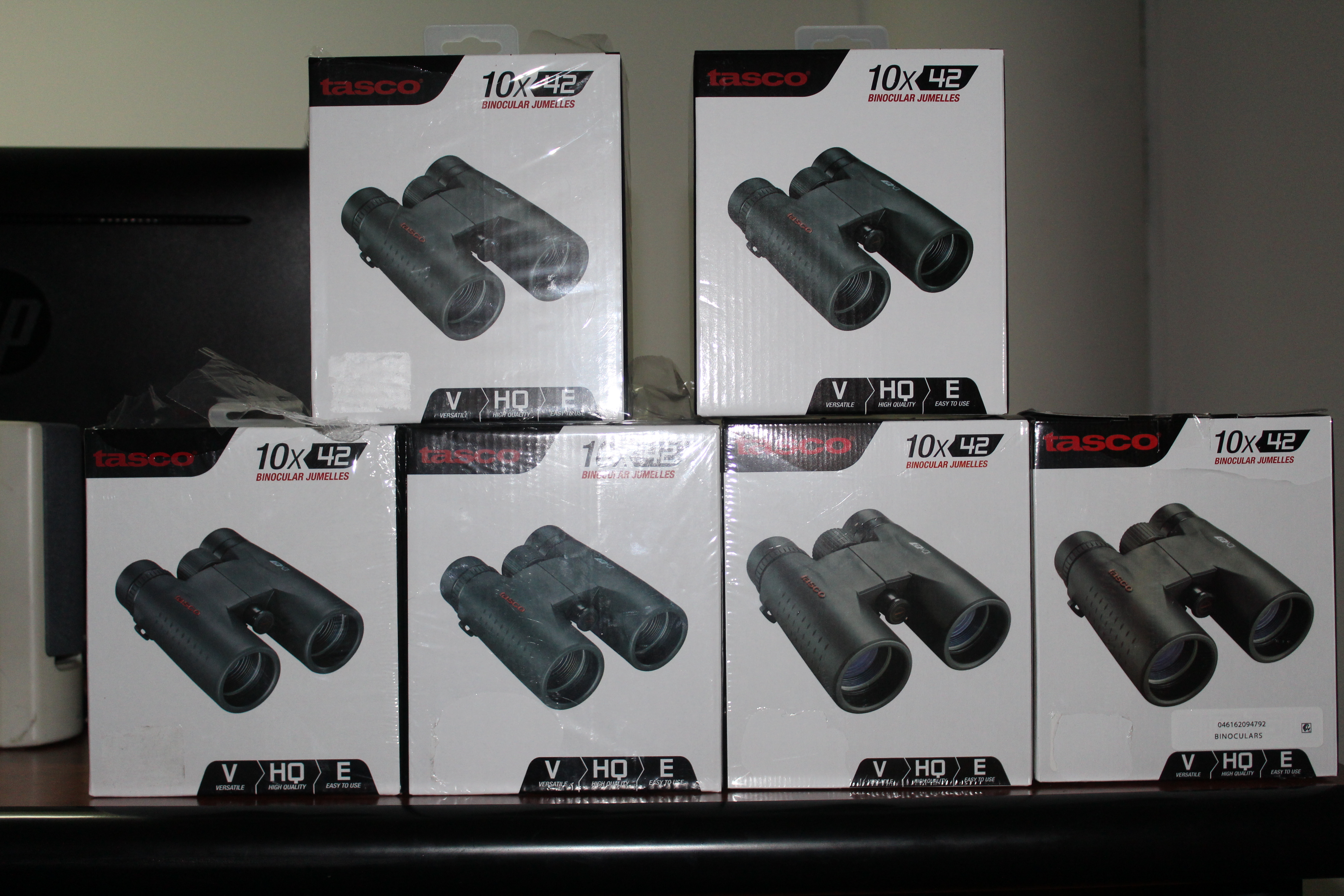
- Procurement of one (1) Project vehicle, monitoring equipment (3 cameras, 10 spotting scopes, tripods, 10 binoculars, 10 GPS)
- Procurement of ranger equipment (20x tents, 20x mattresses)
- Annual fire control operations - Bokong Nature Reserve (1970 ha); 2) Tšehlanyane National Park (30 km); 3) Sehlabathebe National Park (240 km)
- 60 temporary workers for creation of fire belts were engaged.
- Community members engaged to clear 8 ha of invasive alien plants.