



Grant overview
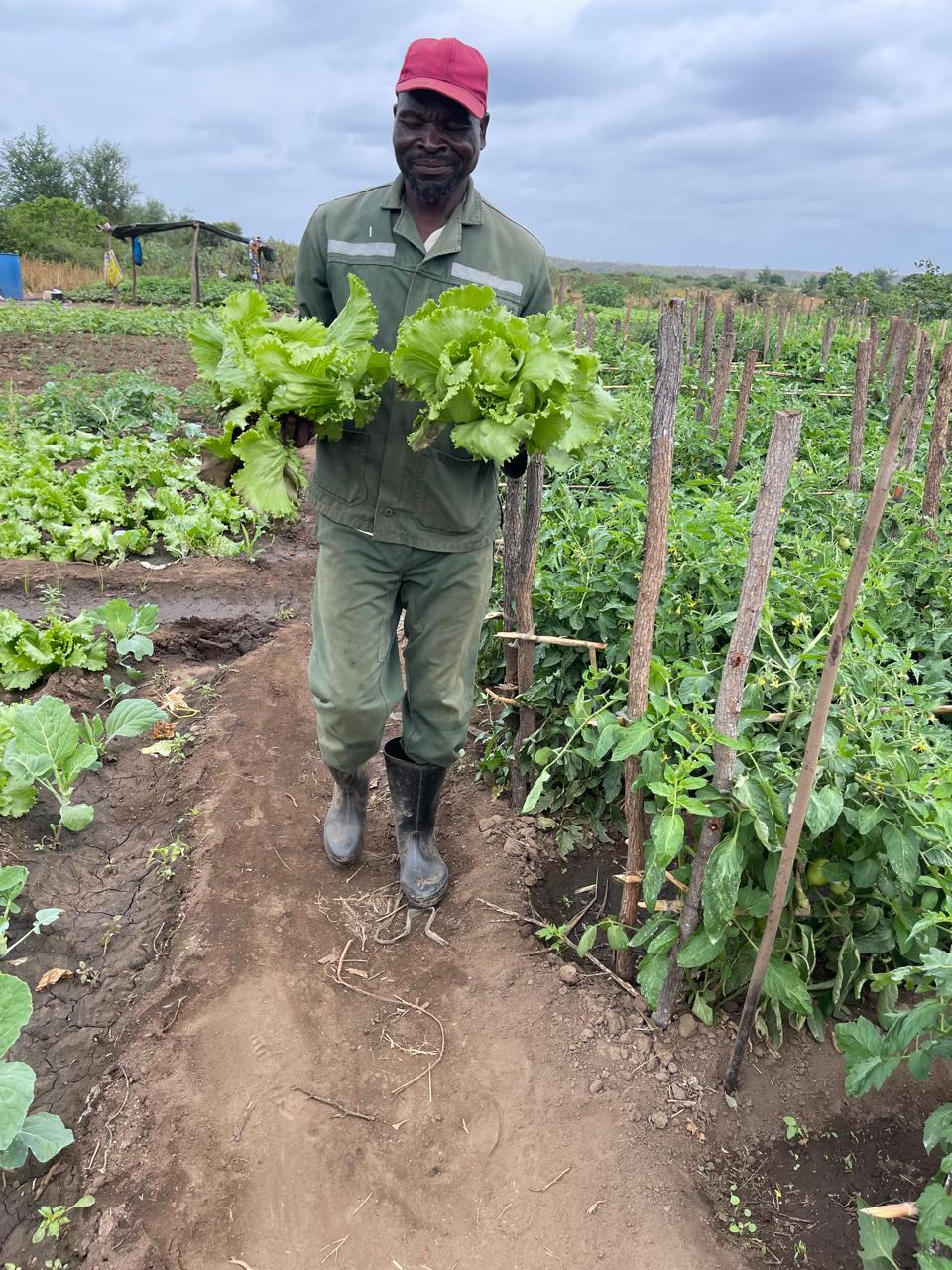
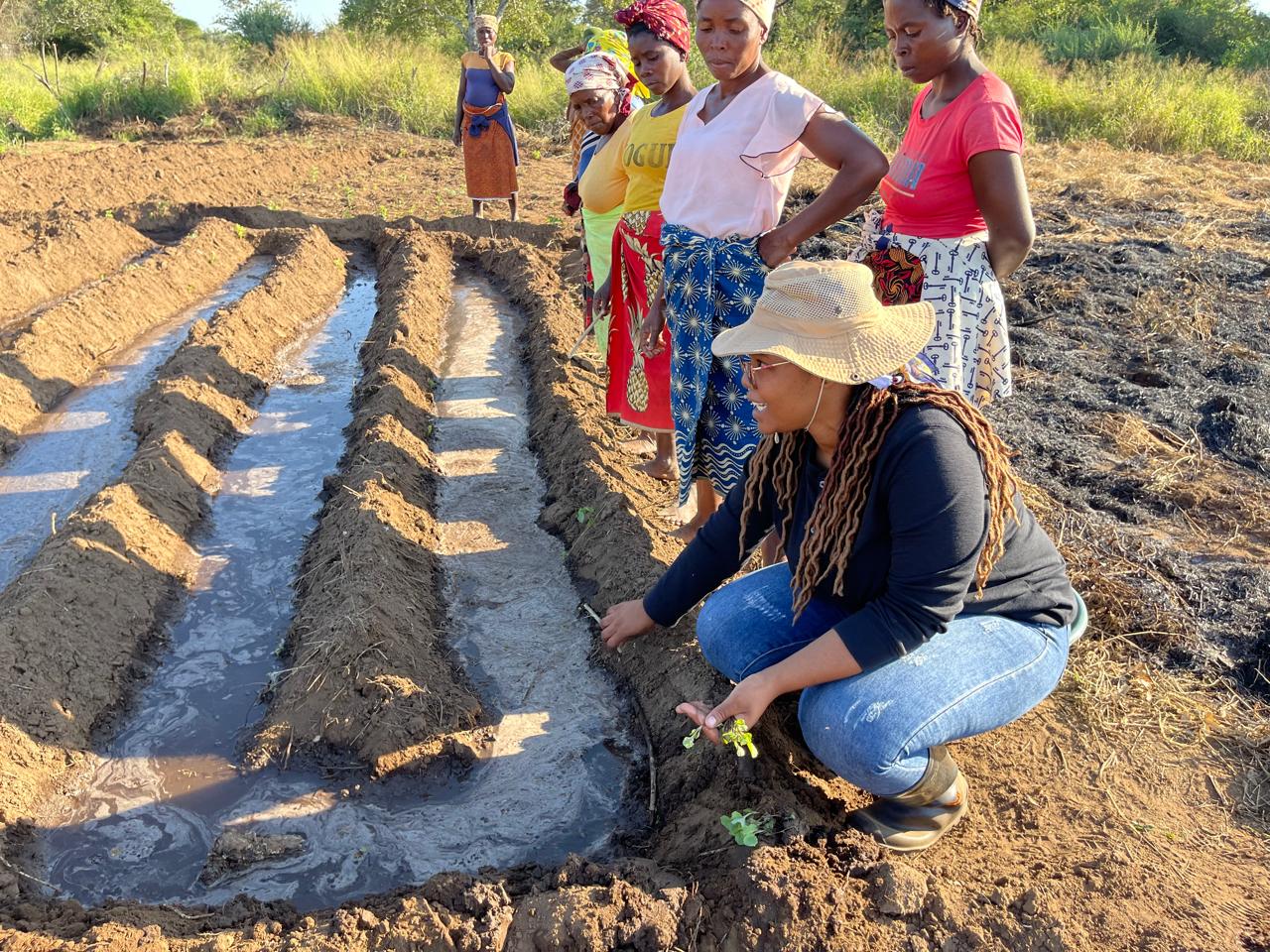
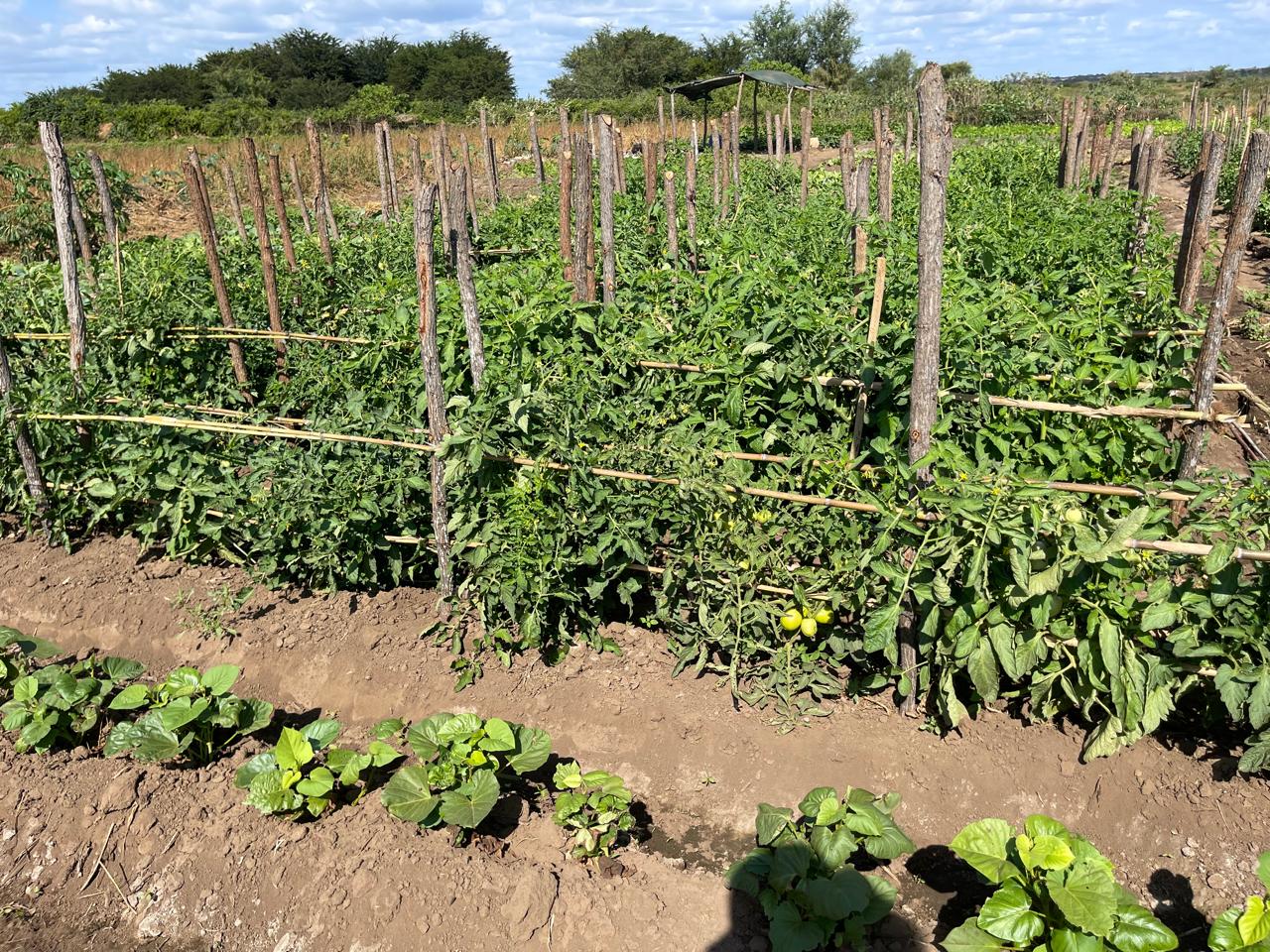
Peace Parks Foundation (PPF) has been assisting the Government of Mozambique since 2001 to develop the Limpopo National Park (LNP) – a vital part of the Great Limpopo Transfrontier Conservation Area (GLTFCA). From the outset, the German Federal Ministry of Economic Co-operation and Development (BMZ) through KfW has been instrumental in the establishment and development of the national park by providing financial and technical support with PPF as the implementing partner for the BMZ funding. Compounding the challenges, the re-introduction of wildlife and the natural growth in wildlife numbers has intensified competition for land and other natural resources, which has increased instances of Human Wildlife Conflict (HWC). Communities mainly engage in subsistence agriculture and livestock, with some households being able to generate additional income through fishing and casual employment.
This project proposes to improve livelihood conditions for resettled communities and communities still residing within the park and buffer-zone through:
(i) improved food security with resource-efficient agriculture;
(ii) infrastructure and operational support for the current wildlife-friendly livestock management programme;
(iii) support for community governance structures; and
(iv) prevention and mitigation measures to combat HWC.
Project Outputs:
- A revised irrigation scheme plan was developed with re-prioritised activities
- Upgrade of Banga and Marrenguele irrigation schemes completed
- Livelihoods baseline survey completed
- Key Project staff recruited (5): Livelihoods Coordinator, Compliance Officer (MEL/ESMS), Community Governance Technician, Community Agriculture Technician, and Junior Implementation Manager.
- Procured 2x project vehicles to be used for project activities and community support
- Supplies purchased for the for H4H activities: 20x water purification kits, rations, 20x sets of uniforms for eco-rangers; Animal health products dipping for parasites and de-worming and general antibiotics, and multi vitamins are distributed monthly.
- A total of 6,793 cattle were dipped, 10,418 cattle were vaccinated, and 6,372 cattle were treated with other medication in the areas of Mavodze, Chimangue, and Machamba.
- Veterinary Kits have been distributed and are replenished as required each month as per the bi-monthly consumable procurement
- A total of 23,170 head of cattle (85,9% of the total cattle population in the 20 villages where H4H operates) continue being managed in compliance with the H4H model
- Two (2) bomas procured, imported from South Africa. The bomas are used in the H4H programme for kraaling livestock at night.
-
82 Field Rangers received Human Rights training by the Southern African Wildlife College