



Grant overview
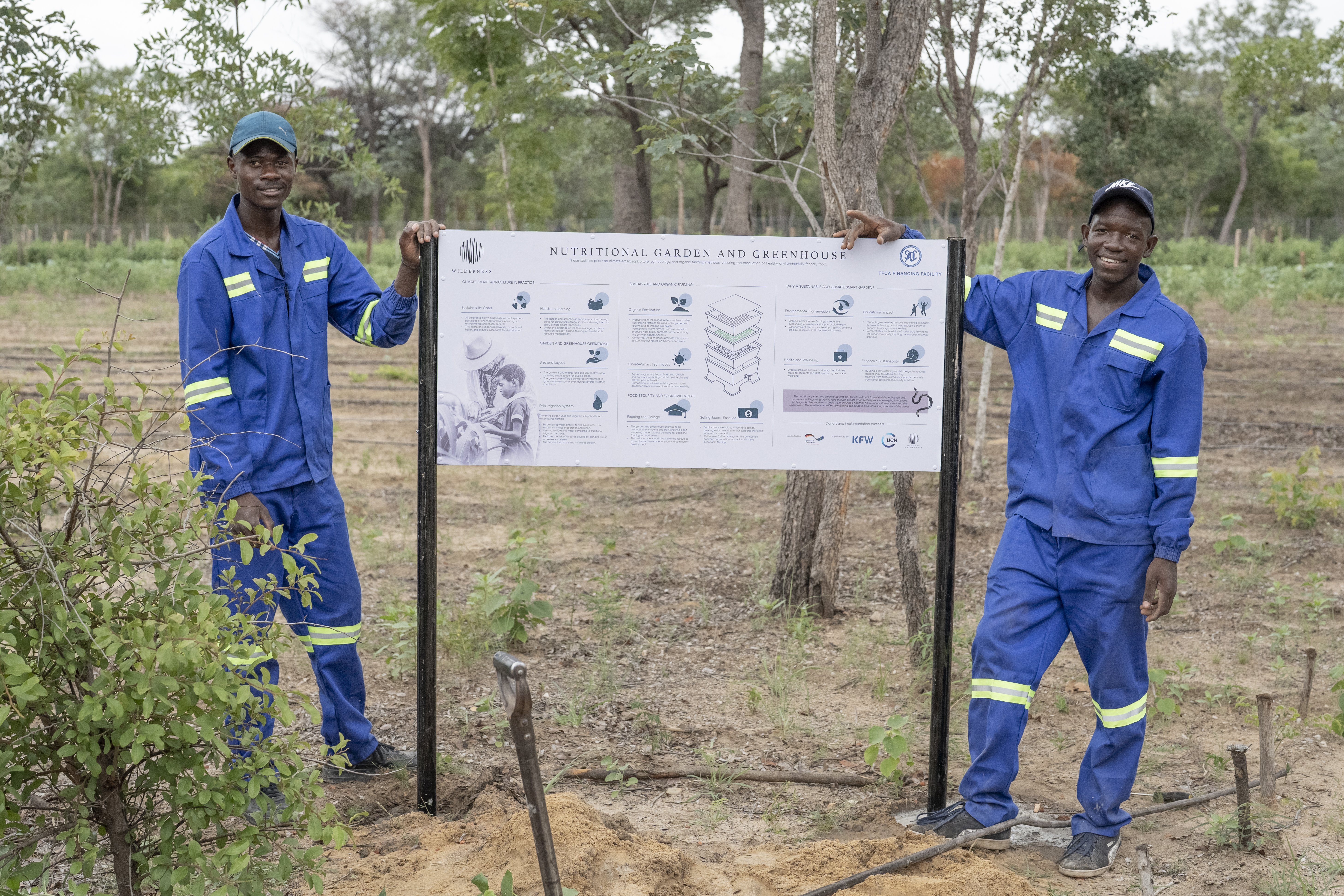
The project seeks to enhance local marginalised communities’ capacity for resilience through the establishment of holistic, sustainable and inclusive climate smart farming approaches in the Tsholotsho area of Matabeleland North. Tsholotsho faces increasingly pronounced climate variability including droughts, bushfires, and water scarcity. Coupled with inadequate rangeland management practices this is increasingly contributing to the degradation and fragmentation of viable land once available for wildlife and livestock. This project area lies in the buffer of Hwange National Park and is part of the Zimbabwe component of the Kavango Zambezi (KAZA TFCA). The area is rich biodiversity but the future of the landscape is however overshadowed by environmental management and socio-economic challenges that are problematic and hinder sustainable development at both a national and regional scale.
These factors have all placed a significant amount of stress on the local communities in Tsholotsho, thus threatening their interest and ability to prioritize conservation. Building a sustainable interconnected network of safe and healthy habitats grounded in strong, community-based conservation that promotes sustainable alternative livelihood sources is urgent and vital to the proactive mitigation of these challenges in Tsholotsho.
Additionally, the Wilderness Safaris camps in Hwange National Park, require food rations for their staff and currently procure these supplies from Victoria Falls or Bulawayo which are over 200km away. There is a need to reduce the carbon footprint and environmental cost of procuring, delivering and storing these food supplies and this initiative / action will therefore be aligned to their Group Sustainability Program aptly titled – From Farm to Table, which aims to promote local procurements and reduce greenhouse gas emissions from their operations
Key activities will include:
- Livestock rearing activities (cattle, goats and road runner chickens)
- Community cultivation of crops associated with fodder –– predominantly millet and sorghum –– as these are hardy, nutritional and drought resistant
- Re-sowing indigenous grasses and improving existing communal grazing areas
- Establishment of a small-scale horticultural garden with drip irrigation which will have leafy and region-appropriate crops such as kale, chomolia, spinach, tomatoes, and beans grown in shade structures
- A hands-on agricultural training educational project for our scholarship school leavers (15 to 18 year olds) who live in the area, and are interested in farming but have been unable to access tertiary education. This will include practical and theoretical training conducted and supported by Ministry of Education and Ministry of Agriculture officials / teachers.
Project Outputs:
- Substantial advancements were made in infrastructure development, with the completion of critical facilities necessary for the effective functioning of the vocational training and livestock farming initiatives. The following infrastructures were fully constructed and operational:
1. Dining Hall and Kitchen – Equipped to support student and staff meal preparation
2. Two Staff Residences – Providing on-site accommodation for key personnel
3. Dormitories – Ensuring secure and habitable accommodation for vocational students
4. Ablution Facilities – Fully constructed and operational for both student and staff usage
5. Milling Shed/Workshop – Completed to support on-site feed processing and equipment maintenance
6. Farm Administration Office – Now fully functional as the central management hub
7. Veterinary Shop – Established to provide livestock healthcare services and facilitate access to veterinary supplies
8. Farm Manager’s Residence – Completed to enable continuous on-site supervision of operations
9. Two (2) boreholes drilled and equipped
- Procurement of one 4x4 75hp Tractor completed and delivered to the Ngamo farm
- The nutritional garden is fully operational, with 40 community volunteers (32 women and 8 men) actively participating in daily maintenance and climate-smart agricultural training. Diverse vegetable crops (including carrots, Swiss chard, cucumbers, tomatoes, butternut, cabbage, and chomolia) have been planted and are thriving under the previously installed drip irrigation system
- 500 meters perimeter fence was installed around the vegetable garden area (Garden dimensions: 150m x 100m)
- Clearing of 15.5 km of farm site access roads:
1. Ngamo Centre to Farm Site: 4.3km cleared
2. Ngamo Train Station to Farm Site: 6.7km cleared
3. Zandile Centre to Farm Site: 4.5km cleared
- Preparations for program implementation are underway, including curriculum development and logistical planning for student enrolment