



Grant overview
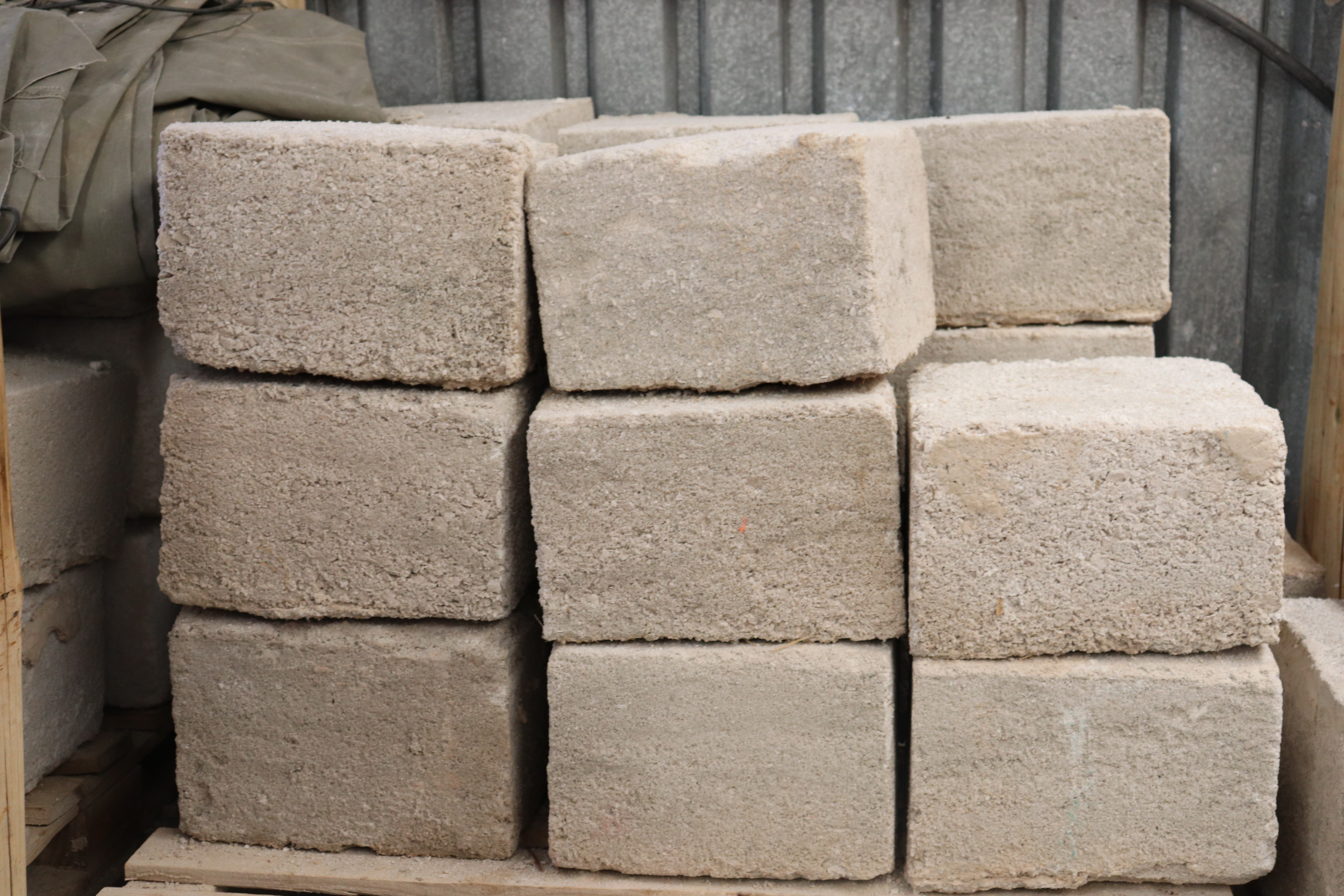
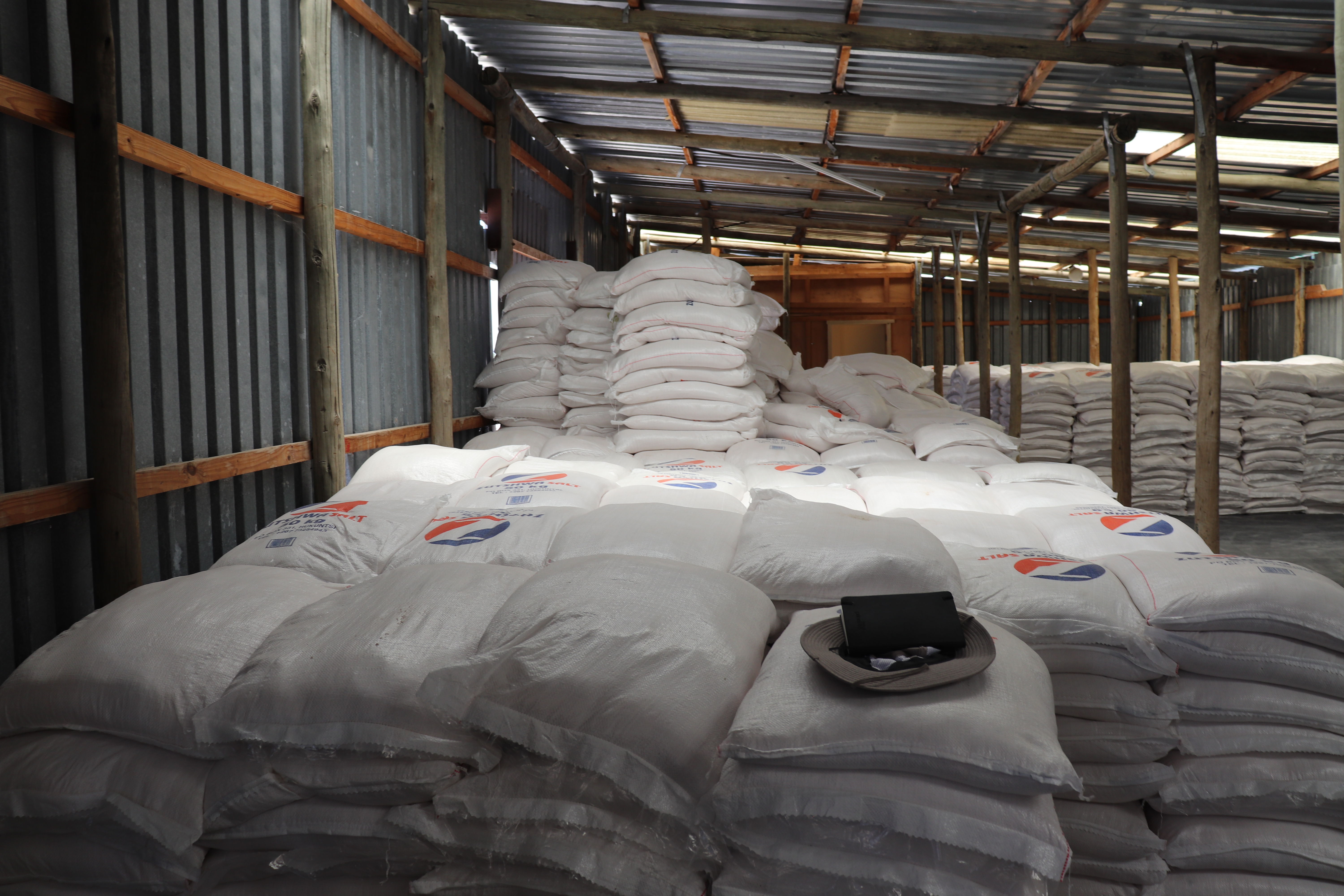
The vast Kgalagadi Transfrontier Park (KTP), straddling the border of Botswana and South Africa, is a haven for wildlife. Large predators like lions and cheetahs roam freely alongside majestic herbivores, drawing visitors from all over the world for game drives, bird watching, and camping. Tourism has long fuelled the local economy, while adjacent communities in Botswana, through the Community-Based Natural Resources Management (CBNRM) programme, have developed their own eco-tourism activities. With activities ranging from cultural tourism to salt production and sand dune experiences, these communities have found a sustainable balance between making a living and conserving the land they call home. However, the Covid-19 pandemic arrived like a storm, sweeping away much of the tourism sector. Border closures and health protocols led to a staggering 90% decline in tourism activity. The ripple effect was felt immediately by community trusts that rely heavily on tourism revenue, plunging them into financial uncertainty.
Government funding for conservation and community initiatives also took a hit, leaving both people and wildlife at risk. With campgrounds shut down and community projects halted, economic hardship deepened, and desperation set in. With few income-generating options, some community members turned to poaching, seeing it as a means of survival. Between 2018 and 2020, the TFCA saw a 450% spike in poaching arrests, driven by the financial strain caused by the pandemic. This wave of illegal hunting targeted large herbivores and predator cubs, threatening conservation efforts and increasing human-wildlife conflicts across the park. Given these unprecedented challenges, a strategic response was launched. The goal: to scale up existing community-based economic projects, such as salt production, while bolstering conservation efforts to protect the park’s precious biodiversity. Through the SADC Transfrontier Conservation Area (TFCA) Covid response grant, communities were incentivized to participate in wildlife conservation by linking it directly to their livelihoods. Salt production became not only a lifeline for local economies but also a key to fostering a deeper commitment to protecting wildlife. Additionally, the grant enabled the government to equip crucial borehole to supply water within KTP, ensuring that wildlife had access to this vital resource even as tourism dwindled.
Beyond infrastructure, the project strengthened community engagement in conservation. Local residents were encouraged to take an active role in wildlife monitoring, a move that fostered a sense of ownership and responsibility for the land and its biodiversity. This collaborative approach helped mitigate the surge in poaching and alleviated some of the human-wildlife conflicts that had flared up during the pandemic. As Kgalagadi Transfrontier Park emerges from the shadow of Covid-19, the resilience of its communities stands as an example to the power of innovation and collaboration. By scaling up sustainable economic projects and fortifying conservation efforts, the region is charting a path toward recovery, ensuring that both people and wildlife can thrive in the years to come.
Project Outputs:
- One (1) Borehole drilled, equipped, pump tested and water reticulation at Mabuasehube completed by December 2023. The borehole was intended to provide water for local communities and for wildlife at the border of Kgalakgadi National Park.
- Procurement of a concrete dumper for the Zutshwa salt mine
- Procurement of potassium Iodate for the Zutshwa salt mine. Iodine is key ingredient in the production of salt.
- Ten (10) local community members temporarily employed for
- Expansion of salt storage facility by an additional 11 meters x 10 meters
- Eight (8) local community members hired for ponds lining.
- Construction of 2x salt evaporation pans, and 1 holding pan completed.
- 2 km of perimeter fencing installed on the expanded section of the salt production facility
- Procurement of ICT equipment for efficiency (laptop, router, printers, etc.).
- Drilling and equipping borehole at Kgalagadi Transfrontier Park).